How to Set Up Effective Mold Remediation West Vancouver Step by Step for Homeowners’ Peace of Mind in 2026
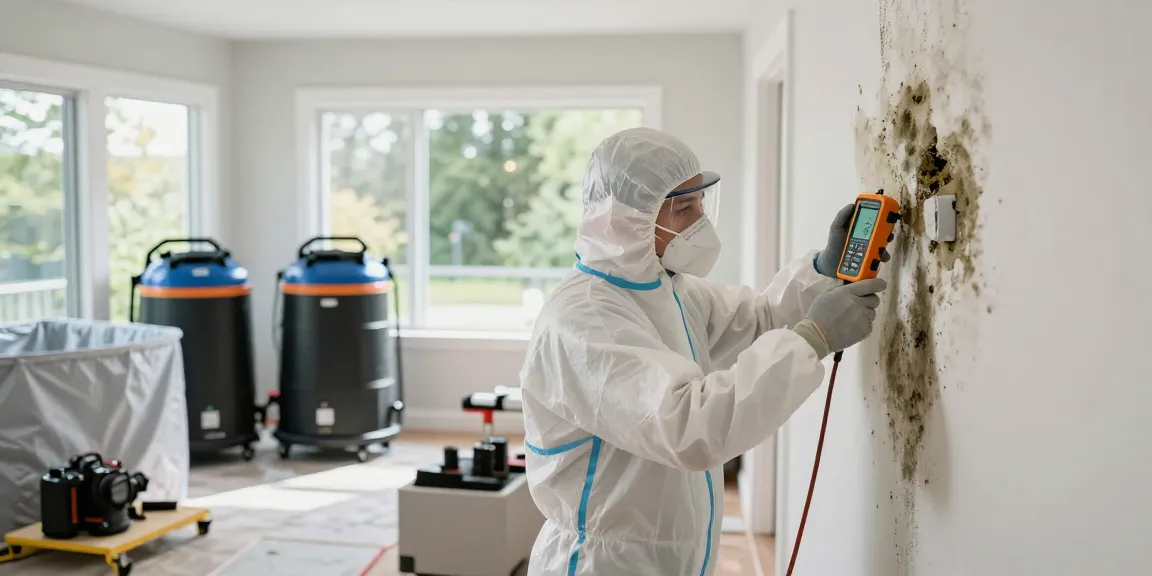
Understanding Mold Remediation in West Vancouver
Mold can be a persistent and harmful issue in West Vancouver homes due to the region’s moist climate. With heavy rainfall and high humidity levels, mold growth can quickly become a significant concern for residents. Therefore, understanding the intricacies of Mold Remediation West Vancouver is essential for maintaining a safe and healthy living environment. In this article, we will explore what mold remediation is, why it is crucial, and the steps involved in the process.
What is Mold Remediation?
Mold remediation refers to the systematic approach of inspecting, assessing, and removing mold from a property. This process not only involves the physical removal of mold but also targets the underlying moisture issues that allow mold to thrive. Remediation ensures that the property is restored to a safe condition, preventing further growth and potential health risks.
Importance of Professional Mold Remediation
Engaging a professional mold remediation service is vital for several reasons:
- Health Risks: Mold can cause various health issues, particularly respiratory problems and allergic reactions. Professional remediation helps in preventing these issues.
- Thorough Removal: Experts have the tools and techniques necessary to remove mold completely, including areas that are not visible, such as behind walls and under flooring.
- Moisture Control: Professionals can identify and rectify moisture sources that contribute to mold growth, significantly reducing the likelihood of recurrence.
Common Myths about Mold Removal
There are several misconceptions regarding mold removal that homeowners should be aware of:
- All mold can be removed: While surface mold may be removed, hidden mold requires professional assessment to ensure complete remediation.
- Bleach kills mold: While bleach may remove visible mold, it does not address underlying moisture problems, which are crucial for preventing future growth.
- DIY methods are sufficient: Many DIY methods are ineffective against mold, and attempting them may exacerbate the problem.
Mold Growth Factors in West Vancouver Homes
Moisture Sources in Coastal Homes
West Vancouver’s coastal climate creates ideal conditions for mold growth. Common moisture sources include:
- Roof leaks
- Window and door leaks
- High humidity levels in bathrooms and kitchens
- Poor ventilation systems
- Flooding from heavy rains or snowmelt
Identifying Vulnerable Areas in Your Home
In many West Vancouver homes, certain areas are more susceptible to mold growth, including:
- Bathrooms
- Basements and crawlspaces
- Around windows and doors
- Under sinks
- In attics
Impact of Vancouver’s Climate on Mold Growth
The unique climate of Vancouver, characterized by wet winters and mild summers, creates consistent opportunities for mold growth. Homeowners must be proactive in managing moisture and conducting regular inspections to identify potential mold hazards before they escalate.
The Mold Remediation Process Explained
Initial Inspection and Assessment
The first step in the mold remediation process involves a thorough inspection of the property. Qualified professionals will use moisture meters and thermal imaging to identify problem areas. This initial assessment is crucial for developing an effective remediation plan.
Containment Measures and Safety Precautions
To prevent mold spores from spreading during the remediation process, containment measures must be put in place. This may include:
- Setting up physical barriers around affected areas
- Using negative air pressure systems to control airflow
- Equipping technicians with appropriate personal protective equipment (PPE)
Cleaning and Restoration Methods
Once containment is established, the cleaning process begins. This includes:
- Removing contaminated materials, such as drywall and carpeting
- Applying antifungal and antimicrobial treatments to eliminate mold colonies
- Utilizing HEPA filters and air scrubbers to capture airborne spores
Costs and Considerations for Mold Remediation
Average Costs of Mold Remediation in West Vancouver
The cost of mold remediation can vary significantly based on the extent of the damage, the type of mold, and the remediation methods required. On average, mold remediation services in West Vancouver range from $1,500 to $5,000, but severe cases can exceed this range.
Factors Influencing Remediation Costs
Several factors may impact the overall cost of remediation, including:
- The size of the affected area
- The materials that need to be removed or replaced
- The complexity of the remediation process
- Geographic location and local service rates
Insurance Coverage and Claims for Mold Remediation
Many homeowners’ insurance policies cover mold remediation, but coverage can vary. It’s important to check your policy and consult with your insurance agent to understand what is covered and how to file a claim.
Preventing Mold Recurrence After Remediation
Best Practices for Moisture Control
To prevent mold from returning after remediation, homeowners should implement the following moisture control practices:
- Ensure proper ventilation in bathrooms and kitchens
- Repair leaks promptly and check for signs of moisture regularly
- Use dehumidifiers in high-humidity areas
- Insulate cold surfaces to prevent condensation
Regular Maintenance Tips for Homeowners
Routine maintenance is critical in preventing mold growth. Homeowners should:
- Conduct regular inspections of their property
- Clean gutters and downspouts to ensure proper drainage
- Check and replace HVAC filters as necessary
Monitoring and Early Detection of Mold
Early detection of mold is vital in avoiding extensive damage. Homeowners should be vigilant for signs of mold growth, such as:
- Visible mold spots
- Musty odors
- Stains on walls or ceilings
- Water damage from leaks or flooding
What Health Issues Can Mold Cause?
Exposure to mold can lead to various health problems, including:
- Respiratory issues, such as asthma and allergies
- Skin irritations and rashes
- Headaches and fatigue
- In severe cases, mold exposure can lead to more serious health complications
How Can You Tell if You Need Mold Remediation?
Indications that mold remediation may be necessary include;
- Visible mold growth or discoloration on walls and ceilings
- Persistent musty odors
- Health problems that worsen in certain areas of the home
- Recent water damage or leaks